Industrial Resin Flooring: How to Choose the Right System for Your Facility
Industrial resin flooring is one of the most durable, versatile, and cost-effective surface solutions for warehouses, factories, food processing plants, cleanrooms, showrooms, garages, and more. With advances in resin chemistry and installation techniques, 2026 is shaping up to be a year where resin floors outperform traditional options in performance, longevity, and safety.
Choosing industrial resin flooring? Compare key system options and learn what to consider for warehouses, factories, food production and commercial facilities.
Published on
11th October 2026
What Is Industrial Resin Flooring?
Industrial resin flooring is a specialist surface system applied to a prepared substrate, commonly concrete, to create a finished floor designed around the demands of a working environment.
Depending on the system selected, resin flooring can provide a hard-wearing surface with properties tailored to traffic, cleaning regimes, chemical exposure, slip resistance and other operational requirements.
For facilities managers, contractors and building owners, the important question is not simply whether resin flooring is suitable. It is which system is appropriate for the building and how it will be used.
Key Types of Industrial Resin Flooring
Here’s a breakdown of the most common industrial resin flooring systems available in 2026:
1. Epoxy Resin Flooring
Widely used in manufacturing, warehousing, and logistics.
Ideal for: urgent installations or turnaround projects.
MTF installing an MMA System for a Metal Car Park Deck
Where is Industrial Resin Flooring used?
Resin flooring is used across a range of commercial and industrial environments, including:
Warehouses & Distribution Centres: where pedestrian traffic, pallet trucks, forklifts and racking operations place demands on the floor.
Food Manufacturing: where cleaning methods, moisture, hygiene requirements and potential chemical exposure influence the specification.
Pharmaceutical facilities: where cleanability, contamination control and operational requirements must be considered.
Manufacturing facilities: where machinery, impact, abrasion and process-specific substances may affect floor performance.
Data Centres & Specialist Technical Environments: where electrostatic control may be an important part of the specification.
Car Parks & Vehicle Areas: where traffic, weather exposure, waterproofing and the condition of the concrete structure must be considered.
Each environment has different requirements, so a system suitable for one application may not be suitable for another.
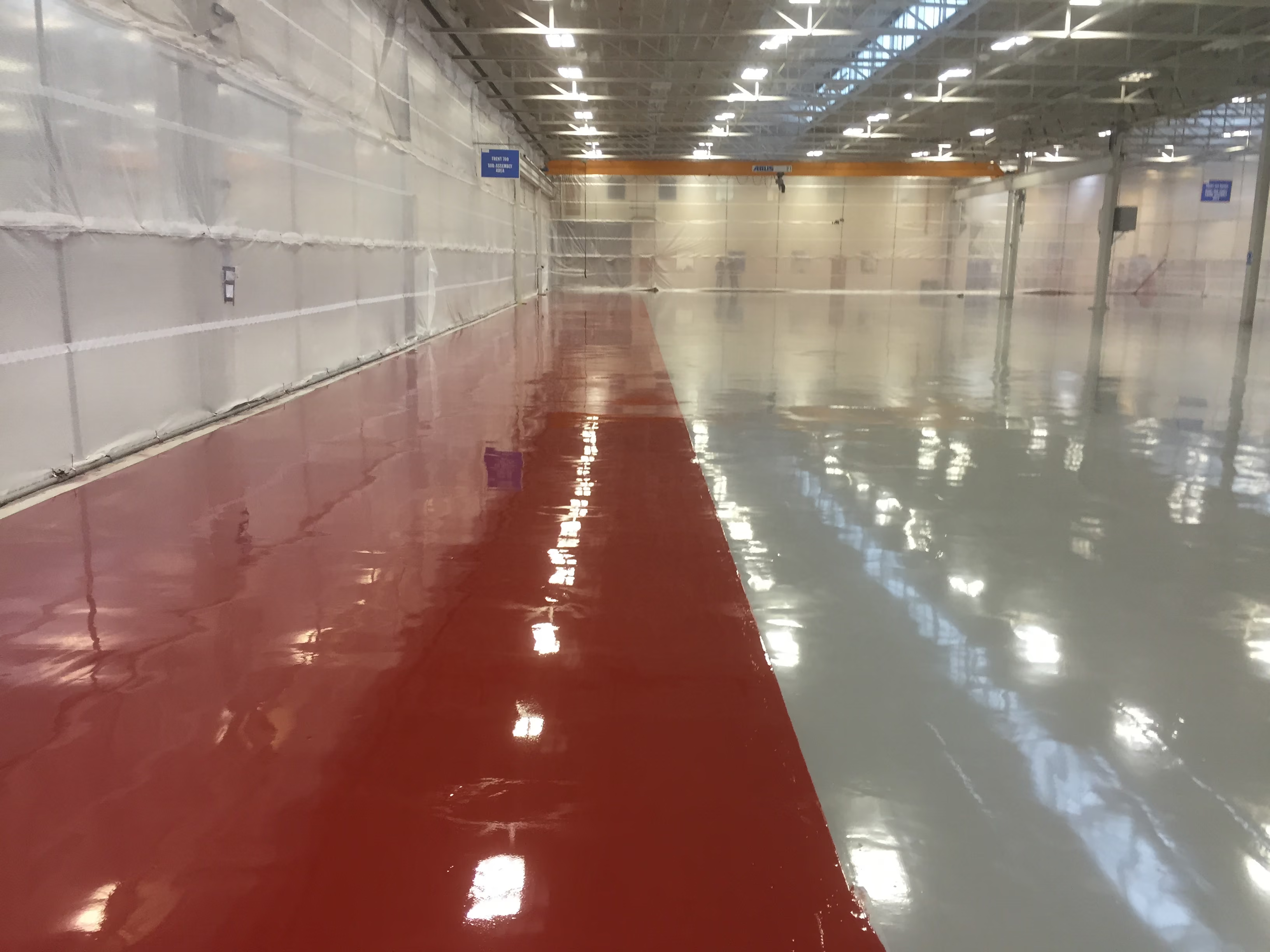
MTF installing an Epoxy Resin Coating in a Warehouse
What should you consider when choosing a resin floor?
Choosing the appropriate resin system depends on your environment and performance requirements. Thank about:
Traffic and mechanical wear - Consider the type and frequency of traffic the floor will experience. Pedestrian areas, forklift routes and heavy industrial work zones may require different system specifications.
Chemicals and cleaning - Identify any oils, cleaning products, process chemicals or other substances that may contact the surface. Chemical resistance should be checked against the actual substances, concentrations, temperatures and exposure times.
Slip resistance - Areas exposed to water, oils, food residues or regular washdowns may require a textured, slip-resistant finish. The required level of grip should be assessed alongside cleaning requirements and the conditions in which people will use the floor.
Temperature and curing time - Some environments experience temperature changes or require work to be completed within a restricted shutdown period. The curing characteristics and installation conditions of the proposed system can influence the choice.
Existing floor condition - Cracks, contamination, moisture and weak concrete can all affect the preparation and installation strategy. Assessing the substrate before installation helps identify issues that need to be addressed.
Choosing the right resin flooring isn't just about picking a product - it's about ensuring correct specification, surface preparation, and installation. A professional resin flooring contractor, like MTF, can guide you through every stage - from selecting the right system to completing installation with minimal disruption to your business.
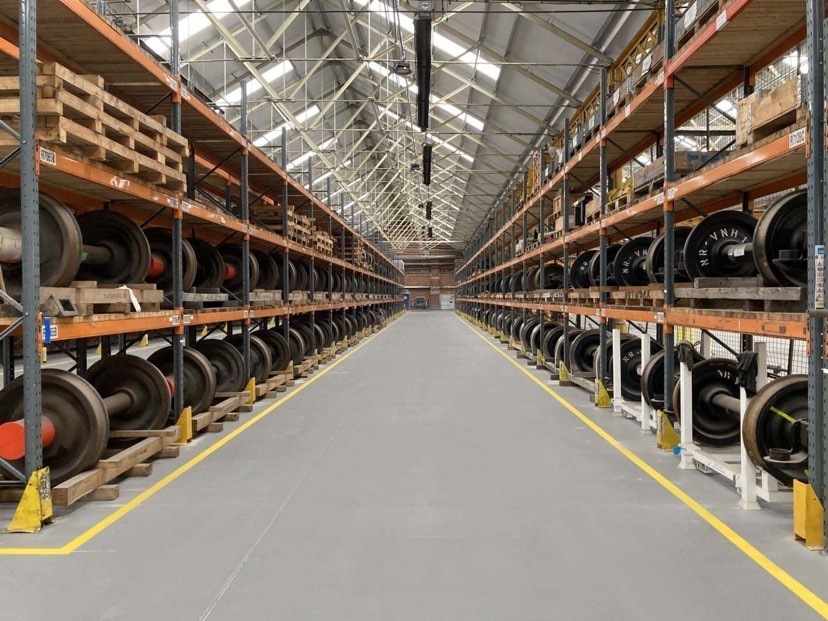
MTF installed an Anti-Slip Expoxy Resin System in a Factory
Why specialist installation matters
The performance of a resin floor depends on more than the coating itself. Substrate assessment, preparation, correct mixing and application, site conditions and quality checks all contribute to the finished result.
MTF Ltd provides specialist industrial and resin flooring solutions across the UK and Channel Islands, drawing on more than 20 years of industry experience.
If you are planning a new installation or upgrading an existing floor, MTF can help assess the operational requirements and identify a suitable approach.
Planning an industrial flooring project?
Contact MTF Ltd to discuss your site, timescales and flooring requirements.

.png)
.png)
.png)
.png)
.png)