
.png)
.png)
.png)
.png)
.png)
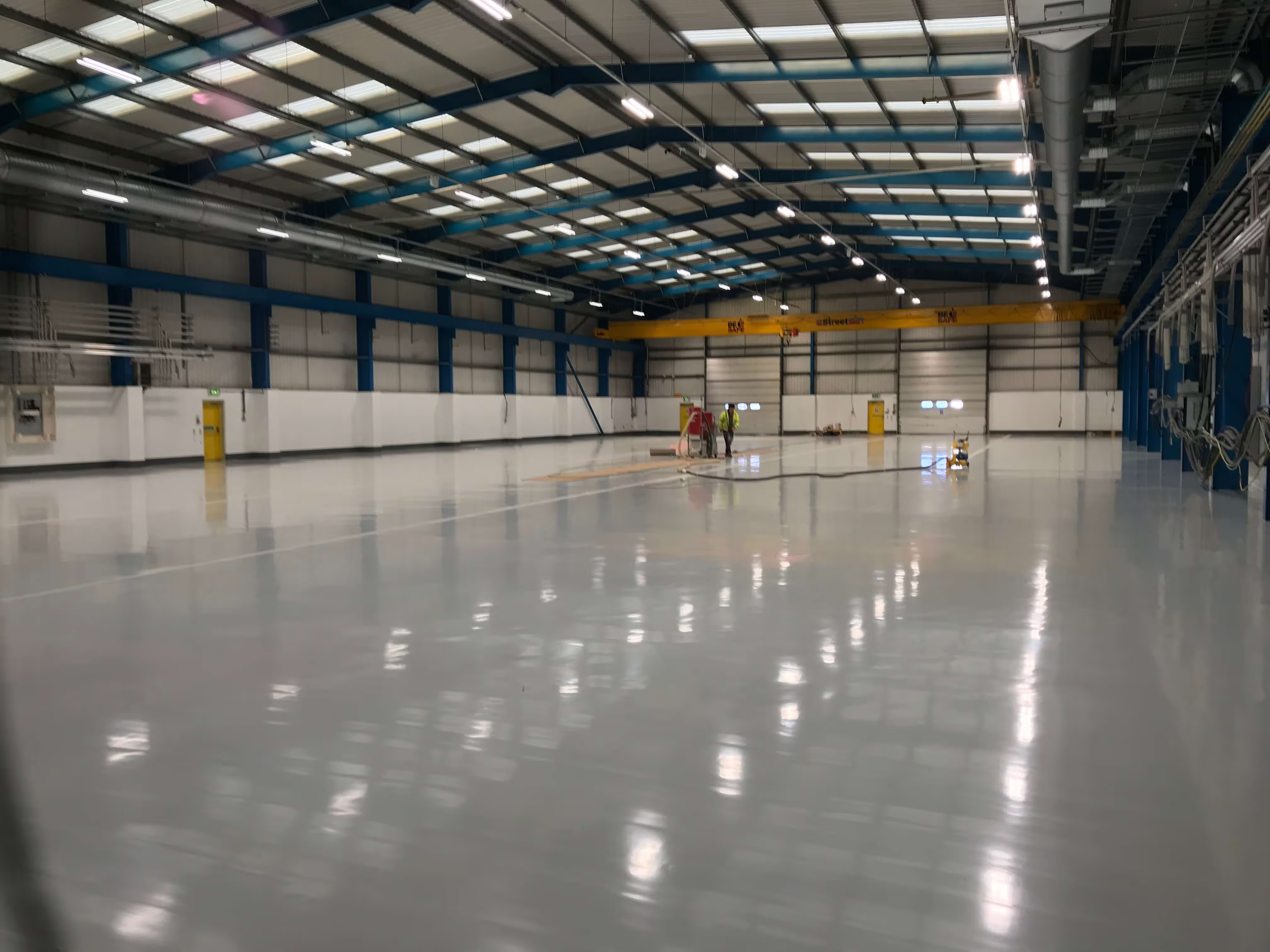
Even the most durable industrial flooring systems require routine maintenance. Without it, surfaces can deteriorate prematurely, leading to safety risks, operational disruption, and expensive repairs.
A well-maintained floor helps to:
Preventative maintenance is almost always more cost-effective than reactive repairs.
The lifespan of industrial flooring depends on the system installed, the level of traffic it experiences, and how well it is maintained.
Epoxy floors provide excellent compressive strength and durability, but may require periodic recoating in high-traffic areas.
Epoxy systems are widely used in warehouses, manufacturing facilities, and logistics environments.
Typical lifespan: 7–15 years
Polyurethane flooring offers enhanced flexibility and resistance to thermal shock, making it ideal for food production and environments with temperature fluctuations.
PU systems are particularly durable where hot washdowns or temperature changes occur.
Typical lifespan: 10–20 years
Industrial screeds are used in environments requiring extreme durability, such as manufacturing plants or heavy engineering facilities.
These systems are designed for heavy impact, forklift traffic, and aggressive industrial environments.
Typical lifespan: 15–25+ years
Car park flooring systems must withstand vehicle traffic, weather exposure, and water ingress.
Regular inspections and waterproofing maintenance are essential to prevent structural damage.
Typical lifespan: 10–20 years, depending on system specification and exposure.
Several factors influence how long an industrial floor will last.
Heavy machinery, forklift traffic, and constant footfall can accelerate wear over time. High-traffic areas may require thicker systems or additional reinforcement.
Facilities dealing with oils, acids, solvents, or cleaning chemicals must ensure flooring systems are designed to resist chemical attack.
Extreme heat, cold, or rapid temperature fluctuations can stress flooring materials, particularly in food processing environments.
Proper surface preparation and installation are critical. Poorly installed systems may suffer from issues such as delamination, cracking, or premature wear.
Regular cleaning and preventative maintenance can significantly extend the service life of industrial flooring systems.
Maintaining industrial flooring does not need to be complicated, but consistency is key.
Dust, debris, and spillages should be removed regularly to prevent abrasion and contamination.
Recommended practices include:
Routine inspections allow minor issues to be identified before they become major problems.
Areas to monitor include:
Early intervention can prevent costly repairs later.
Simple operational practices can help reduce unnecessary wear on industrial flooring.
Examples include:
These small measures can significantly prolong flooring performance.
Over time, protective topcoats may wear down in high-traffic areas. Recoating helps restore durability and appearance without replacing the entire flooring system.
Recoating schedules vary depending on usage but are often recommended every 5–10 years in demanding environments.
Even well-maintained floors may require occasional repair. Common warning signs include:
Addressing these issues early can prevent further damage and extend the lifespan of the floor.
One of the most important factors in flooring lifespan is the quality of installation.
Proper substrate preparation, system selection, and professional application ensure the flooring performs as designed.
Working with experienced industrial flooring specialists ensures:
Industrial flooring systems are designed to deliver years of reliable performance. With the right installation and maintenance strategy, facilities can significantly extend the lifespan of their flooring while maintaining safety and operational efficiency.
At MTF Ltd, we work with clients across the UK to deliver high-performance industrial flooring solutions designed for demanding environments. Our team provides expert advice on system selection, installation, and long-term maintenance to ensure your flooring continues performing for years to come.
If you would like advice on maintaining, repairing, or upgrading your industrial flooring, contact our team today to discuss your project.